
Health & Safety with AMIGOS
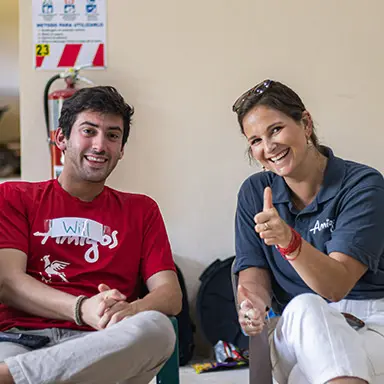
For more than 60 years, the health, safety, and well-being of young people, communities and families have been central to the AMIGOS experience.
International travel and cultural immersion offer extraordinary opportunities for growth, but they also involve inherent risks. AMIGOS takes a comprehensive and proactive approach to managing those risks through careful program planning, volunteer preparation, trained staff, established health and safety protocols, and 24/7 support while programs are in operation.
Our approach emphasizes prevention, preparation, communication, and timely response so that volunteers have strong systems of support as they navigate new environments and experiences.
AMIGOS operates a 24/7 On-Call Health & Safety System throughout our programs. This system connects volunteers and project staff with professional AMIGOS staff at headquarters and provides a clear structure for managing medical, mental health, travel, safety, and other significant concerns.
Project staff are required to contact On-Call when health or safety situations arise and receive guidance from trained AMIGOS professionals regarding appropriate next steps.
Our On-Call system is supported by health professionals, including our Medical Director and Mental Health Consultant, who provide consultation and oversight for medical and mental health situations. These professionals also contribute year-round to the development and review of AMIGOS health and safety policies and procedures.
Bilingual project staff are volunteers’ primary source of support while on program. Staff serve as mentors and support volunteers throughout their experience.
Before programs begin, staff receive training in AMIGOS health and safety policies, emergency procedures, risk prevention, volunteer well-being, communication, and incident response. They remain connected to the AMIGOS On-Call Health & Safety Team throughout the program.
Volunteers have regular opportunities to check in individually with staff, ask questions, discuss challenges, and advocate for their needs.
AMIGOS prepares for health and safety concerns before volunteers arrive in-country. Program teams establish communication systems, identify local resources, and develop procedures for responding to medical, mental health, environmental, travel, security, and other emergencies.
Volunteers receive health and safety training during their in-country orientation and are taught how to seek help if they have an urgent health or safety concern or are unsure what to do in a particular situation.
Our goal is not to eliminate all risk—something no international experience can do—but to identify and reduce foreseeable risks and maintain systems that allow AMIGOS to respond effectively when concerns arise.
AMIGOS recognizes that volunteer well-being includes both physical and mental health.
Our Medical Director and Mental Health Consultant support the Health & Safety Team in developing policies and protocols and are available for consultation on complex situations during programs. This professional oversight includes areas such as immunization and disease-prevention requirements, medication guidance, significant medical cases, mental health concerns, cultural adjustment, and other health-related situations.
When volunteers require evaluation or treatment, AMIGOS staff help facilitate access to appropriate local medical or mental health resources and continue to monitor the situation as needed. Our medical consultants provide guidance on clinic visits, medication recommendations, treatment plans, and other medical concerns that may arise during programs.
Health and safety begin well before departure. Volunteers and families complete health documentation that allows AMIGOS to understand individual medical, mental health, medication, and support needs before the program begins.
Depending on a volunteer’s health history, AMIGOS may request additional information or consultation with a treating healthcare professional to determine whether additional planning or support is needed.
Families also receive detailed guidance about required immunizations, medications, prevention of common travel-related illnesses, mosquito- and animal-borne illnesses and other steps volunteers can take to protect their health while traveling.
For programs that include homestays, host families are an important part of the AMIGOS health and safety network. Host families provide volunteers with a safe and supportive home environment while serving as a valuable source of local knowledge, guidance, and day-to-day support.
Before volunteers arrive, AMIGOS staff visit and assess potential host homes to ensure they meet established health and safety standards. Staff consider factors such as appropriate sleeping arrangements, household hygiene, access to safe food and water, animals in and around the home, proximity to other volunteers, and reliable access to communication in an emergency.
Host families receive orientation on AMIGOS expectations, volunteer well-being, communication, and what to do if a health or safety concern arises. Because they interact with volunteers every day, host families can also help identify changes in a volunteer’s health or well-being and communicate concerns to AMIGOS staff.
Many host families come to see their AMIGOS volunteer as an extension of their own family, caring for them and providing guidance, encouragement, and support throughout their experience. Their knowledge of the community and local culture helps volunteers navigate an unfamiliar environment, understand cultural norms, build meaningful relationships, and recognize and avoid potential risks.
Throughout the program, AMIGOS staff maintain regular contact with volunteers and host families. Together, volunteers, host families, local staff, and the AMIGOS Health & Safety Team create multiple layers of support and communication to help prevent risks, identify concerns early, and respond when needed.
AMIGOS programs are technology-free experiences. Volunteers do not use personal cell phones or other personal electronic devices during their program. Stepping away from technology gives volunteers the opportunity to be fully present, build deeper relationships, and engage more meaningfully with their host communities. Without the constant connection to home and familiar routines, volunteers are also encouraged to develop independence, practice problem-solving, and build confidence navigating new experiences.
Being technology-free does not mean being disconnected from support. Volunteers have access to AMIGOS staff and their host families, who are important parts of our health and safety network. AMIGOS maintains established communication and emergency protocols, and families are contacted directly when a health, safety, or other significant concern arises.
Year round, AMIGOS monitors health, environmental, security, and other conditions that could affect volunteers or program operations.
Our teams use information from local partners, public health authorities, government agencies, and other trusted sources to evaluate changing conditions. When circumstances warrant, AMIGOS may adjust program activities, transportation, housing, or other aspects of program operations.
Sending your loved one away for the summer requires tremendous trust, and we take that responsibility seriously.
AMIGOS has established communication protocols to ensure parents and guardians are informed when significant situations arise. For volunteers under 18, families are contacted following events such as medical clinic visits, significant medical treatment, serious mental health concerns, hospitalization, assault, or other major health or safety situations.
At the same time, AMIGOS encourages volunteers to develop independence and self-advocacy. Volunteers are expected to communicate their needs to staff and seek support when they have a health or safety concern.
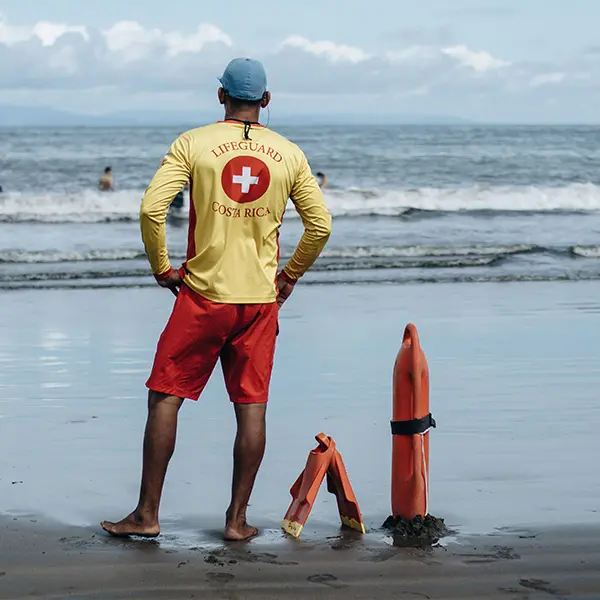
A Shared Commitment to Safety
Health and safety at AMIGOS is a shared responsibility.
AMIGOS works to provide the preparation, trained staff, professional consultation, protocols, and emergency response systems that support volunteers throughout their experience. Volunteers, in turn, are expected to follow AMIGOS health and safety protocols, care for their own well-being, communicate concerns, and seek assistance when they need it.
Together, these systems allow young people to challenge themselves, experience meaningful cultural immersion, and develop independence and leadership while surrounded by a strong network of support.
See what AMIGOS parents have to say!

Comienza tu viaje hoy
Explora nuevas culturas, sirve a las comunidades y forma amistades duraderas en el camino.

Programas de verano para estudiantes de secundaria y preparatoria
Buscar un programa
Our Application and Registration Process
How To Join