
La piedra y las líneas serpenteantes
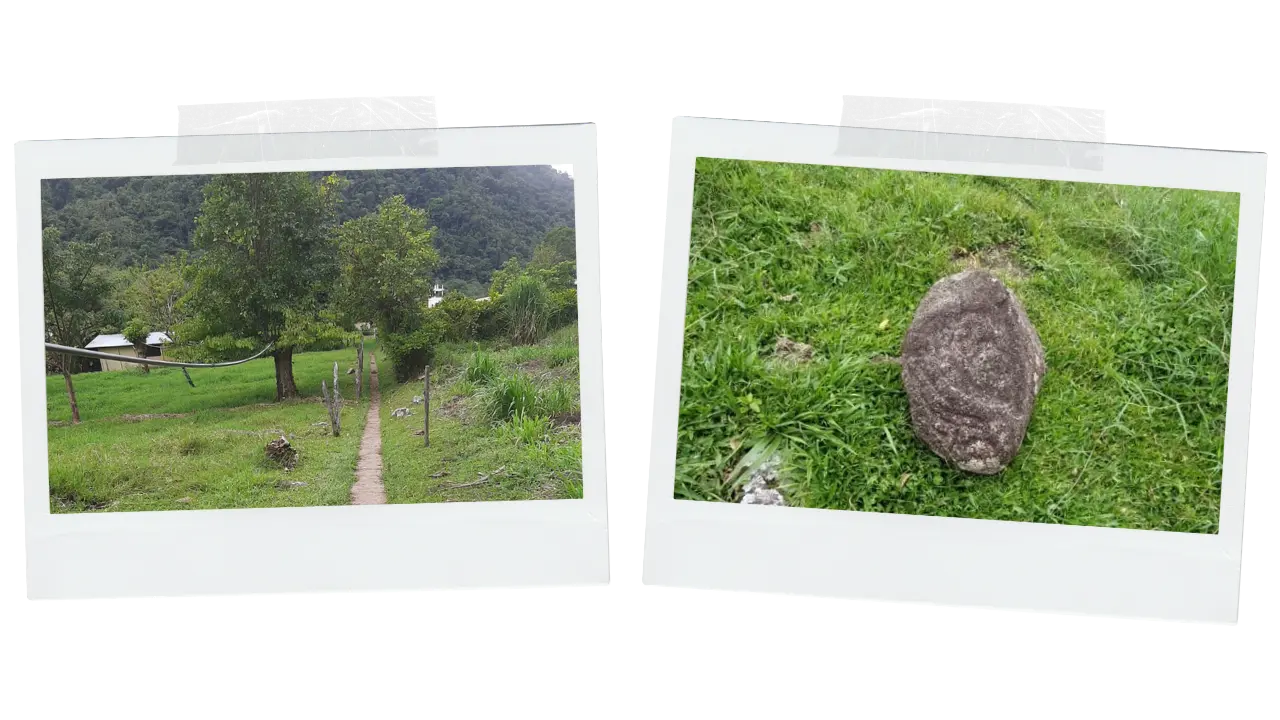 It was our ninth day in Costa Rica and we had no idea what we were going to do.
Unfortunately for me—someone for whom the expression “go with the flow” did not flow—not having a plan for the day was difficult; being in a foreign country where I knew neither the traditions nor the food nor the names of the streets weighed heavily on me. I felt I should be grateful; nonetheless, I was able only to reflect on the significant change in living, dwelling on what I didn’t know, on the hours without a schedule.
Just like every day, I got up, fending off the stress and fear that stalked me like a wolf in the woods.
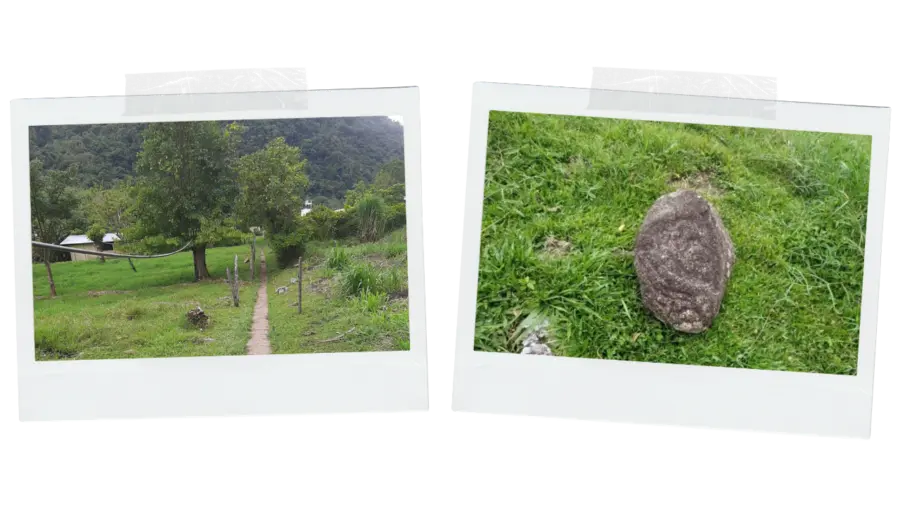
It had dawned a hot and sunny day with songbirds chirping from the trees. We got ready in our respective rooms, had breakfast and went to the van that was awaiting us at the gate of FUDEBIOL (The Foundation for the Development of the Las Quebradas Biological Center). Thus, we began our journey to Quesos Canaán, a beautiful family farm located in Canaan de San José de Rivas, Pérez Zeledón. Wilbert Mata Zuñiga, the owner and father of the family, took us on a tour. We met the cows and the family dog; toured the cheese factory and learned of the process of making cheese; and spoke with the family and relished their delicious food. However, the most vivid and powerful memory I formed that sunny day was when I saw the stone.
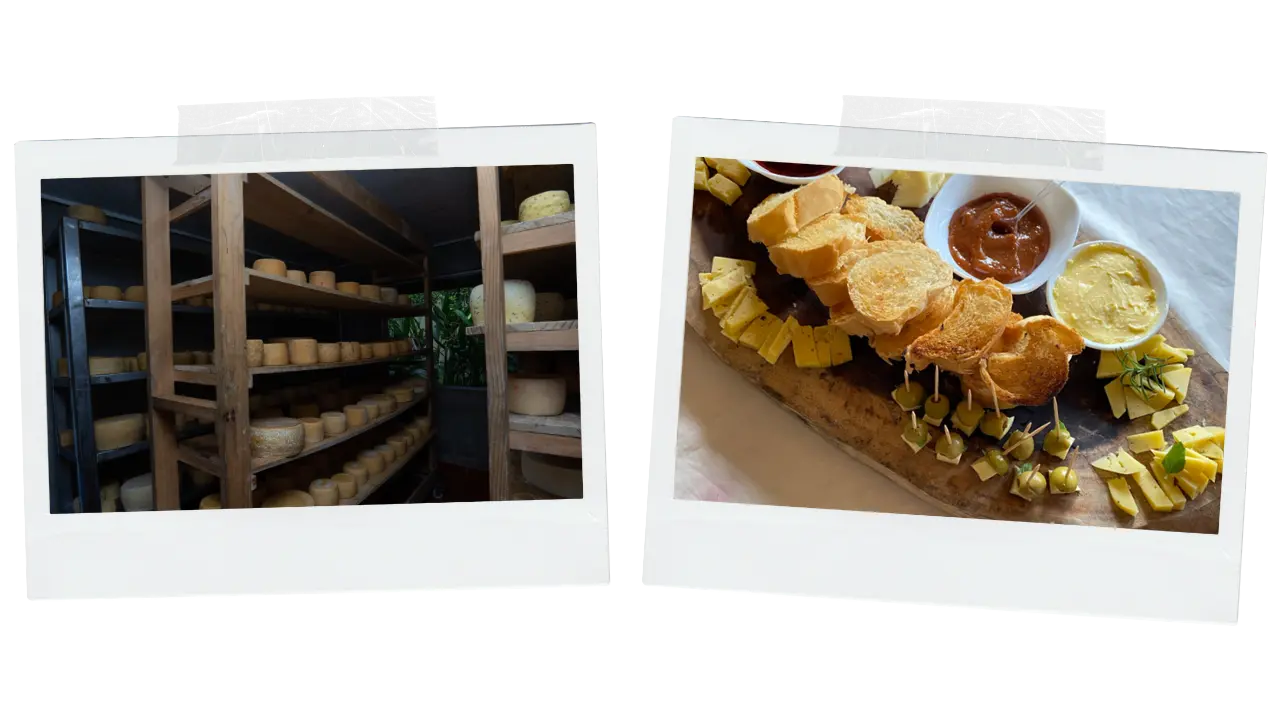 At first glance, it didn’t seem much: a rock with sparkling flecks, like all those we had seen along Costa Rican roads and American streets, but Mr. Zúñiga overturned both the stone and our opinions when he showed us that there were serpentine lines on the surface that stretched in all directions. Little by little, he explained almost all of them until we could see the elephant, the lion, the dinosaur, and many more. They were the carvings of an indigenous person hundreds of years ago.
Questions sprung from our mouths: How did the indigenous people know about dinosaurs? How could so many images fit on a single surface? What tools were used to make them?
On the way back to FUDEBIOL, I found myself reflecting on those interwoven images and the culture they exuded. With a single turn, the same shape became another… and another… and another. Just like that, I discovered a way to cope with the changes of living in another country.
Like the figures, our cultures intertwine. I realized that if I could find the similarities between my culture and that of Costa Rica, I could better deal with the circumstances of living in another country. And beyond that, if I could accept the differences—where the elephant’s trunk turned into a tiger’s leg—I could overcome culture shock and the yearning to return to the familiar, and embrace this wonderful country—the differences just as the similarities
Zane Mills V.