 Log In


Bridge Year Costa Rica – Spring 2025
The Symbiotic Relationship Between the Natural World and Humans
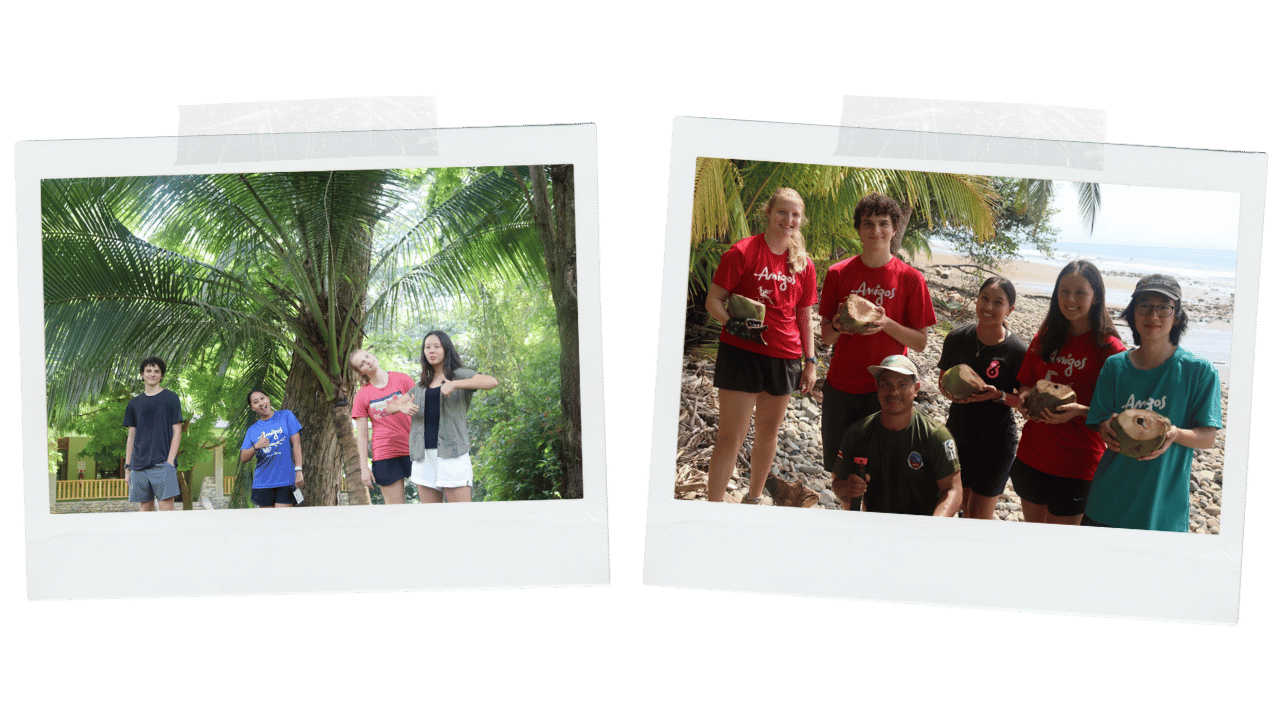 At the beginning of the program, our cohort visited Cloud Bridge, a private nature reserve with a montane cloud forest habitat spanning over 83 hectares of land. The wildlife refuge offered stunning views and a guided tour that provided valuable insights into the local biome, such as ecological succession—the natural process by which plant communities evolve, with different species gradually replacing one another. One aspect of the trip that resonated with me was a passage I read about deforestation, which stated, “By the time you leave this Welcome Center, another species will have gone extinct. Forever.'” The more time I spend here, the more I realize that countries should take inspiration from Costa Rica, a pioneer in adopting sustainable green practices.
Adrian Arias, a former Ministry of Environment and Energy employee, led the 4th workshop on sustainable tourism. He described how Costa Rica is recognized as a global leader for its environmental accomplishments. For example, Costa Rica was the first tropical country in the world to reverse deforestation. In 1987, the tropical rainforests shrunk to 40%; now, they cover nearly 60% of the country. Costa Rica’s expanding network of protected nature parks catalyzed a virtuous cycle, where improved habitats attracted more tourists, boosting the economy and motivating the government and local communities to intensify their efforts to preserve the environment. In addition, we learned about biological corridors, a strip of land that connects protected natural areas, allowing animals to move between them. The successful deployment of these corridors often requires collaboration with local communities, where residents plant trees in their backyards to help connect habitats. Costa Rica’s nationwide environmental reforms are undoubtedly impressive. But like the biological corridors, protecting the environment takes the entire community. My time in Costa Rica has taught me that the future of our world shouldn’t rely solely on the government… individuals can also take a note or two from Costa Rica’s green practices.
“Pura Vida”, translated to “pure life” can be used as a greeting, farewell, and response. However, pura vida is also a way of life — Costa Ricans live this phrase through gratitude and peace with themselves and the surrounding environment, exemplified by how engrained sustainability is in the local culture. In my community, I’ve gained insight into the vital role individuals play in contributing to the cleanliness and well-being of their country. Nothing goes to waste. At first, I was surprised by how small the garbage can was compared to most houses in the United States. Slowly, I realized that nearly everything is reused in my homestay, and there isn’t a need for a larger trashcan. We use empty containers for storage, extra water bottles, and a compost bin. All leftover organic waste becomes fertilizer for the budding herb garden. In addition, our produce is sourced from the local farmer’s market, reducing the carbon emissions associated with long-distance transportation, and supporting farmers who prioritize soil health, water conservation, and minimal chemicals.
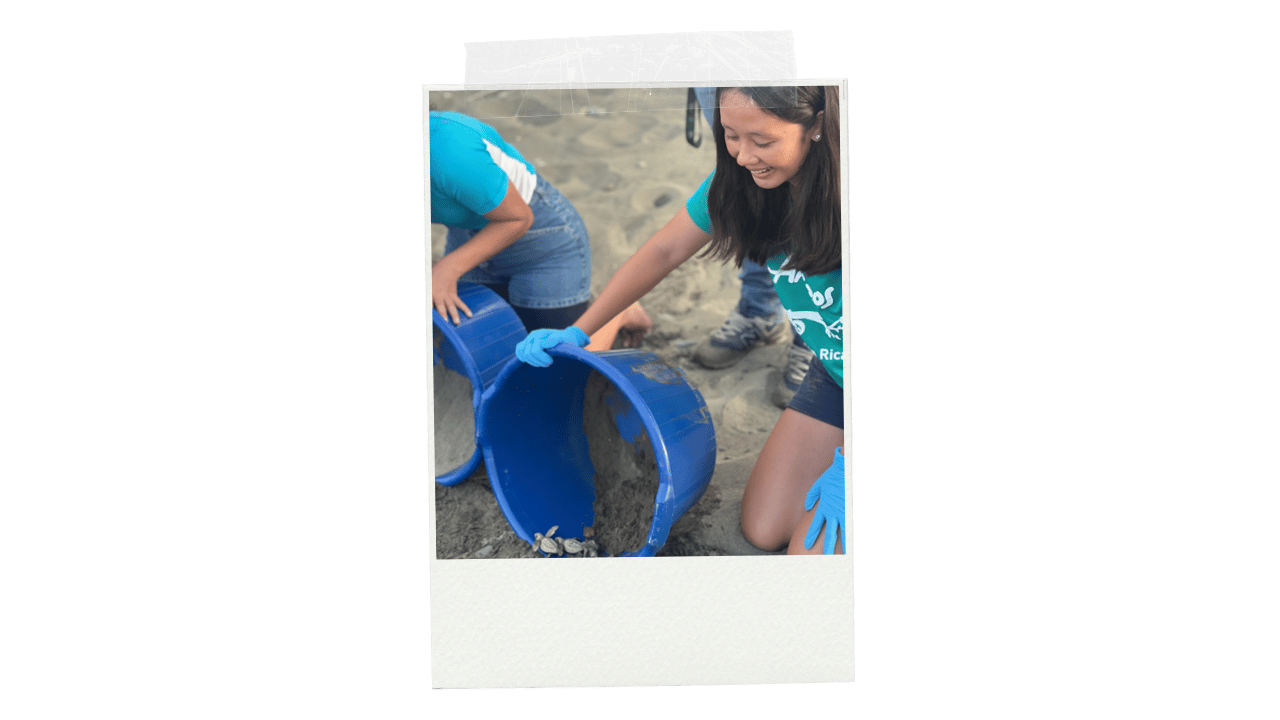 It’s easy to deflect responsibility to governments and corporations to solve the environmental crisis. I find myself ensnared by the notion, “What difference can one person make?” But as I see in Costa Rica, small, individual actions can accumulate and lead to large-scale transformation. If more people in the world embraced the Costa Rican approach to sustainability, the collective impact could make a significant difference. In the future, I can use public transportation, buy from local farmers, and bring a reusable cup to cafes. We must claim responsibility for protecting nature and make small changes in our lives to coexist harmoniously (except the spiders in my bedroom).
