 Log In


Bridge Year Costa Rica – Fall 2025
“La Hora Tica,”
My Childhood and the Pacific Ocean
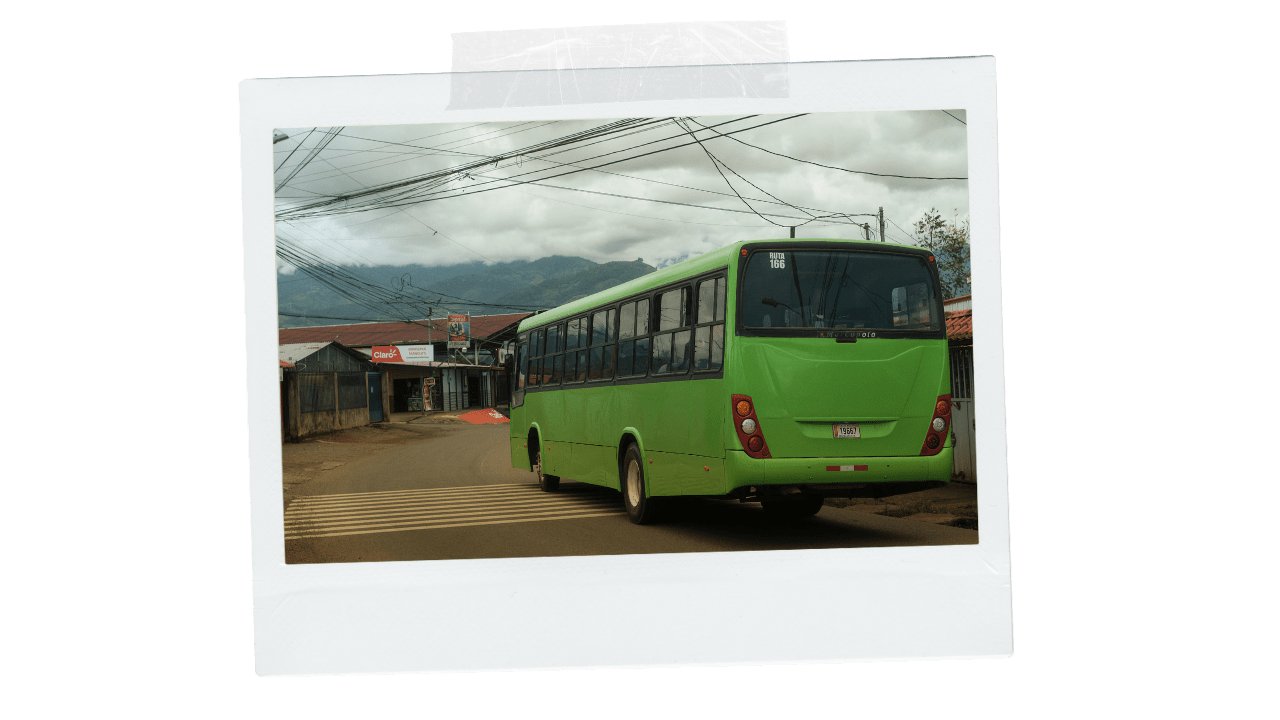
 I stand in front of the Pulperia, just across the street from my house, waiting for the bus.
It tends to be around fifteen minutes late, but I arrive early, afraid it might be on time for a change. No matter my old assumptions of promptness, I am in Costa Rica now, and time runs slightly differently. Often referred to by locals as “la hora tica,” this is the common understanding that being late is the norm here, and my daily bus is no exception.
Eventually, that lime green bus—as if I could ever forget it—turns the bend and comes into view. I am preparing my coins to pay the fare when, suddenly, the bus passes my stop without a second thought. The next one comes in an hour, so naturally, I scramble, knowing I only have 30 minutes to get to my internship on time; my on-site staff has specified that “la hora tica” unfortunately does not pertain to me regarding my various commitments.
With no other option left, I begin walking towards a more frequent bus line about 15 minutes away on the main drag of San Isidro. As I walk, soaking in the unique, vibrant scenes of my unexplored neighborhood, I begin to feel grateful for having missed my bus. A man with a yellow bicycle and an outfit to match, talking to his neighbor through the fence; an empty cancha waiting peacefully for the energy of its mejenga later that night; even something as mundane as a house’s clothesline—colorful shirts and towels hanging from a second-floor balcony, perfectly framed against the rich green backdrop of Pérez Zeledón’s rolling hills—feels suddenly full of life. In fact, I am beginning to learn that these small things are precisely what make Costa Rica so special. This unexpected detour taught me one of the principles I have come to embrace this year: convenience always has its place, but its ease rarely surprises. It is the slower, more inconvenient path that allows life’s beauty, often overlooked in the relentless pursuit of efficiency, to be seen.
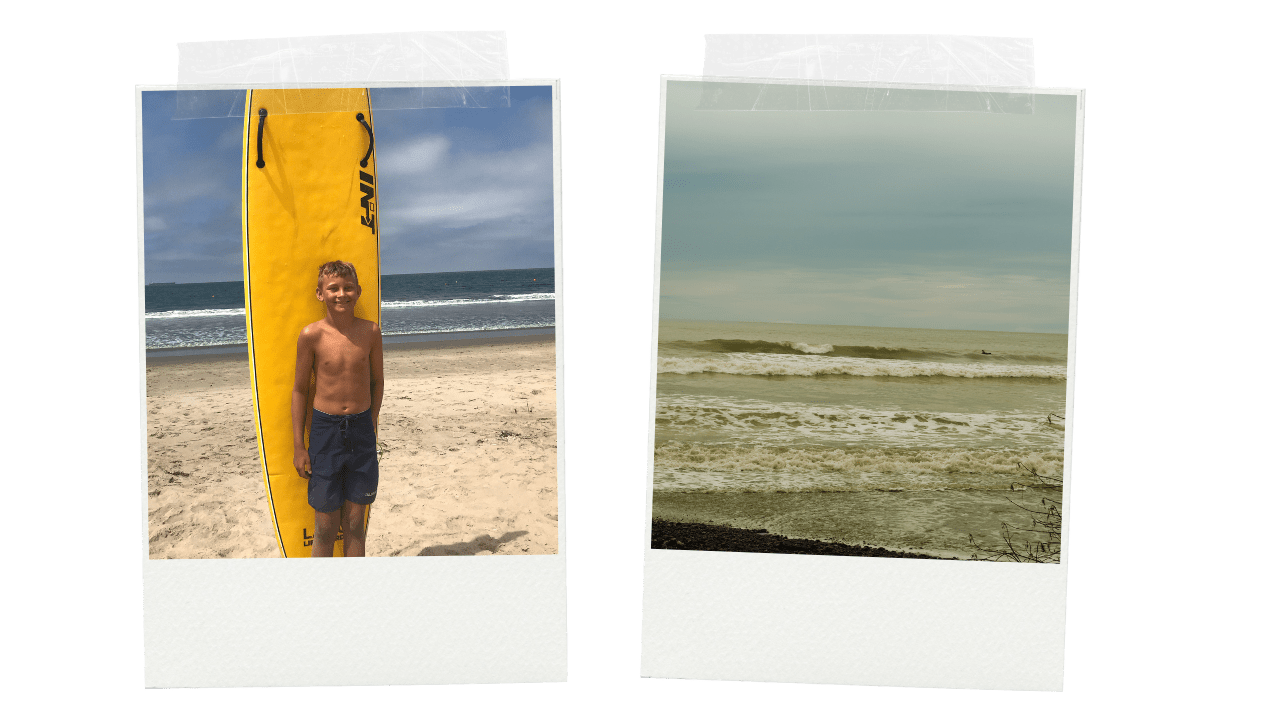
Similarly, when tasked with waking up early to visit the ocean with my cohort one day, my instincts challenged me. I had not gotten enough sleep, and I wanted to stay in bed. However, even when it was hard, I decided to let my newfound principle flourish. I was determined to catch that bus to Dominicalito. When I arrived, I knew I had made the right decision. I was the first one to dive into the ocean, submerging myself fully, which brought me back to my childhood.
I grew up in a coastal town in Los Angeles, and the Pacific Ocean marked some of my most memorable experiences during my time there: lifeguard training since third grade, surfing with my friends, taking prone paddling lessons, and, through hard work, qualifying and placing in state championships in San Diego. While scary to some, the ocean had become a place of great comfort. I had learned to read its rhythms, to understand its dangerous beauty, the way the waves formed, and how to harness it to my advantage in competitions.
As I sat in that same ocean, letting it envelop me, it felt like a hug from someone I had once known. Someone I hadn’t seen in far too long. During the pandemic, I made the difficult decision to leave home, opting to attend a boarding school in northern Michigan rather than attending classes online. When I returned home on breaks, I never visited the ocean. The minor inconveniences, such as getting sand in every crevice of my body, the 20-minute walk up and down the hill, or, at the very least, the painstaking task of finding a good parking spot, discouraged me.
Now, as I sat there, letting the waves crash over me, welcoming their familiar rhythm back into my memory, I realized that the Pacific Ocean—my old friend—had not changed one bit. I used to hear people say that the ocean has a memory, and for the first time, I understood what they meant. Even being thousands of miles away, on an entirely different continent, the ocean connects me to my home, my childhood, who I was, and who I am becoming. I once believed that it was something to conquer—a place determined by times, races, and records—but now I understand that it meets you wherever you are, with whatever you are willing to give. The ocean is a sacred place that moves beyond time; only now have I learned to slow down and listen.
 Costa Rica, in my short time here, has taught me many meaningful lessons. One that has stood out is that the sacrifice of climbing a mountain, so to speak, is always worth it—even if the sun has already set before you reach the top. The journey itself is often just as beautiful as the view. Learning to slow down, reflect, and notice what frequently goes unnoticed is what “la hora tica” is truly about. Because when you are fully immersed in the great adventure that is living, you may not always drive your bus to its destination on time—and that is perfectly okay. I’ll still be waiting. I have work to get to, after all.
